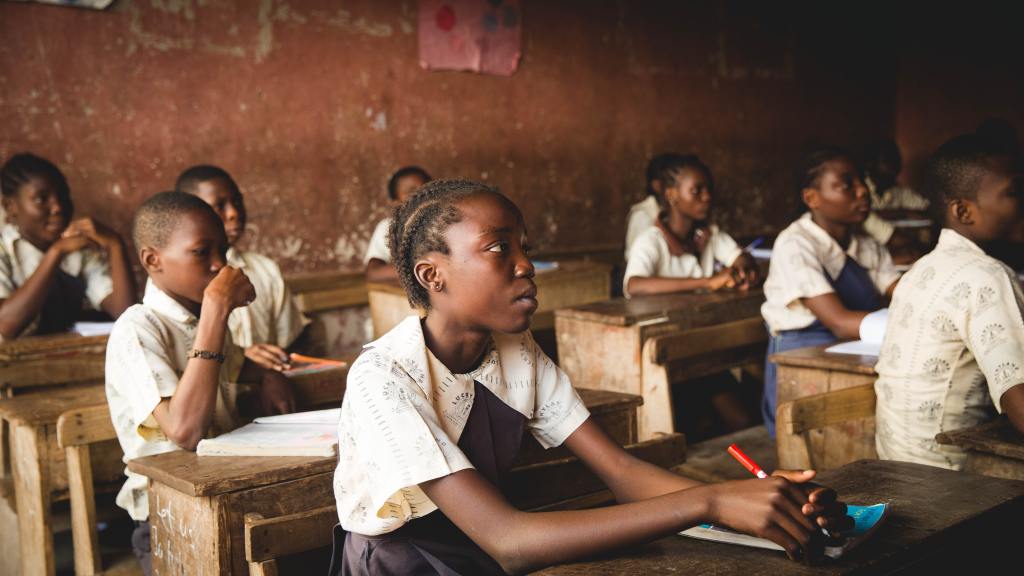
When thinking about libraries around the world, and more specifically, within developing nations, it is important to make note of how they are helping to improve equality around the world by providing users with access to information and materials. Individuals can use these materials to improve literacy and in turn, their overall well-being.
It is not surprising that a person’s quality of life can improve greatly through their access to information. Not only do libraries support literacy, but also the belief in lifelong learning. Users can gain the skills needed to use information effectively, especially when it comes to using digital materials. Having access to quality resources means that users have a better chance at an education and can use information to make informed decisions around their rights, health, and further educational opportunities. Women in particular can benefit from libraries as they work towards improving gender inequalities. We know that increased literacy provides better opportunities for the future and in developing nations this can mean a reduction in poverty.
While receiving donations and weeded books from developed nations may seem great in theory, it creates many issues around access to relevant and current information. These materials may be in less than ideal condition, and cost money to be shipped. In addition to this, the information they provide may be dated and irrelevant to their receivers. There is also the added issue around language and literacy. Materials that are donated to developing nations should be in their native language and supportive of the nation’s beliefs and cultural traditions. It is essential for developed nations to help promote literacy by encouraging developing nations to create their own libraries with materials that are going to help its citizens. One of the ways in which to do this would be to work with specific library projects and non-profit organizations aimed at providing equal access to quality information.
World reader is one of these projects. It is a non-profit organization working towards equality by providing access to e-books in developing nations. At this time, they make use of e-readers and mobile phones. As a result of their popularity and widespread availability, mobile phones are a no brainer when it comes to choosing a digital device. Those with access to a mobile phone can have e-books delivered to them and can easily make use of them. Using mobile phones improves literacy and allows for mobile internet access. It is a cost-effective way to link users to desired information as they already know how to use their devices. Unfortunately, not all e-books are available in local languages and mobile networks can be unreliable. Fortunately, Worldreader is working to improve upon these issues and continues to make a substantial difference to developing nations around the world.
For more information please visit: https://www.worldreader.org/about-us/
While having e-books and a mobile library is a great start, I also wanted to find an organization that was working to build a physical structure in which library materials could be housed and users could frequent for a safe and inviting place to learn. While researching, I stumbled across Room to Read. This non-profit organization works to build libraries, computer labs, and schools in developing nations. Programs have been established in the countries of Zambia, India and Laos just to name a few. In addition to providing books written in English, Room to Read publishes books in local languages so children can learn in their native tongue. By helping children develop literacy skills through access to information, the organization seeks to provide quality education and preparation for life beyond school. Developed nations can get involved by joining their “Students Helping Students” network. Room to Read even has a downloadable app so users can read e-books on their mobile device for free. There is even an offline reading option to ensure users have access to books without the need for internet connectivity.
For more information please visit: https://www.roomtoread.org
While there is still a great deal of work that needs to be done to provide equal access to unfiltered and uncensored information worldwide, these organizations are paving the way. By choosing to support such initiatives, and educating others about their existence, libraries in the developed world can contribute to the improvement of libraries in the developing world. Doing so will ensure that patrons are staying up to date on the latest news, information, and data to improve their health and quality of life for generations to come.
References:
Home. (2020). Retrieved 4 August 2020, from https://www.roomtoread.org.
Home. (2020). Retrieved 4 August 2020, from https://www.worldreader.org/
One Girl’s Voice Rising from the Slums: I Love Reading!. (2020). Retrieved 4 August 2020, from https://www.youtube.com/watch?v=lRCBUCRWMHE.
Room to Read Our Work. (2020). Retrieved 4 August 2020, from https://www.youtube.com/watch?v=JpyeZ6BcslA.
 Sarah's Blog
hi! I too came across worldreader and was quite impressed with their work. Thank you for sharing about Room to Read! I had not previously heard of this program… to be honest I feel as though this is a topic I have not thought nearly enough about in general. I think this is a fantastic program that is being developed! I think it is wonderful that they are working to provide access full libraries, computer labs, and schools. I found it especially interesting that, as you mention, they are working hard to develop resources in countries’ native language to ensure literacy in their native tongue as well as in English. This is important not only for literacy but for culture and identity!
LikeLike
You share some good initiatives that are working to support global literacy and access to information. I agree with your comments about donated books. I am curious to learn more about the Students-Helping-Students project by World Reader. This might be a good way that local school libraries can give back to world literacy initiatives.
LikeLike
Hi Sarah,
Worldreader came up in my research too, but I like how you looked up physical library building as part of your inquiry. Room to Read looks really awesome and I will definitely check it out. I agree that having equal access to quality information, that is culturally and linguistically relevant, is paramount in providing opportunities to those in developing nations.
Sophie B
LikeLike